Transforming Education: The Power of Robotics and STEM
Transforming Education: The Power of Robotics and STEM
The traditional education system has long relied on theoretical learning, rote memorization, and textbook-heavy curriculums. While foundational knowledge is essential, the modern world demands more than just knowing what things are—it requires knowing how to apply that knowledge to solve real-world problems. This is where STEM (Science, Technology, Engineering, and Mathematics) education and robotics are stepping in to bridge the gap.
Beyond the Textbook: Hands-On Experience
One of the most significant shifts we are witnessing is the move towards experiential learning. Robotics brings abstract concepts from physics, mathematics, and computer science to life. When students build a robot or program a circuit, they aren't just memorizing formulas; they are seeing those formulas in action.
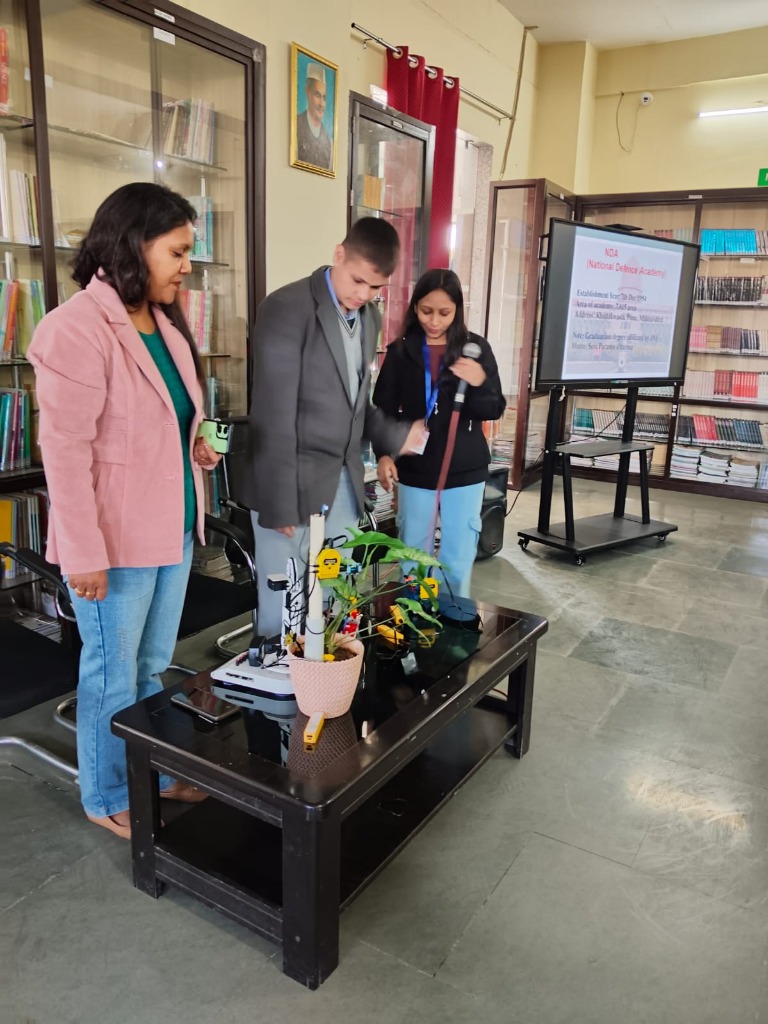
As seen in the image above, when students engage with physical hardware—like sensors, microcontrollers, and motors—they develop a deeper, more intuitive understanding of complex subjects. It encourages active participation rather than passive listening.
Developing Future-Ready Skills
Integrating robotics into the curriculum does more than just teach technical skills. It fosters a set of critical "soft skills" that are invaluable in any career:
- Problem Solving: Building a functional robot involves constant troubleshooting. When a component fails or code throws an error, students learn how to systematically identify and fix the issue.
- Collaboration: Robotics projects are rarely solo endeavors. They require teamwork, communication, and the ability to delegate tasks effectively.
- Resilience: Trial and error is fundamental to engineering. Students learn that failure is not a setback, but a necessary step towards a working solution.
Bridging the Gap
Theoretical learning provides the "why," but hands-on experience provides the "how." By combining the two through STEM education, we are preparing a generation of innovators who are not just consumers of technology, but creators. They understand the principles behind the tools they use and have the practical skills to build the solutions of tomorrow.
The shift is clear: education is no longer just about preparing for exams. It's about preparing for the real world, and robotics is leading the charge.